
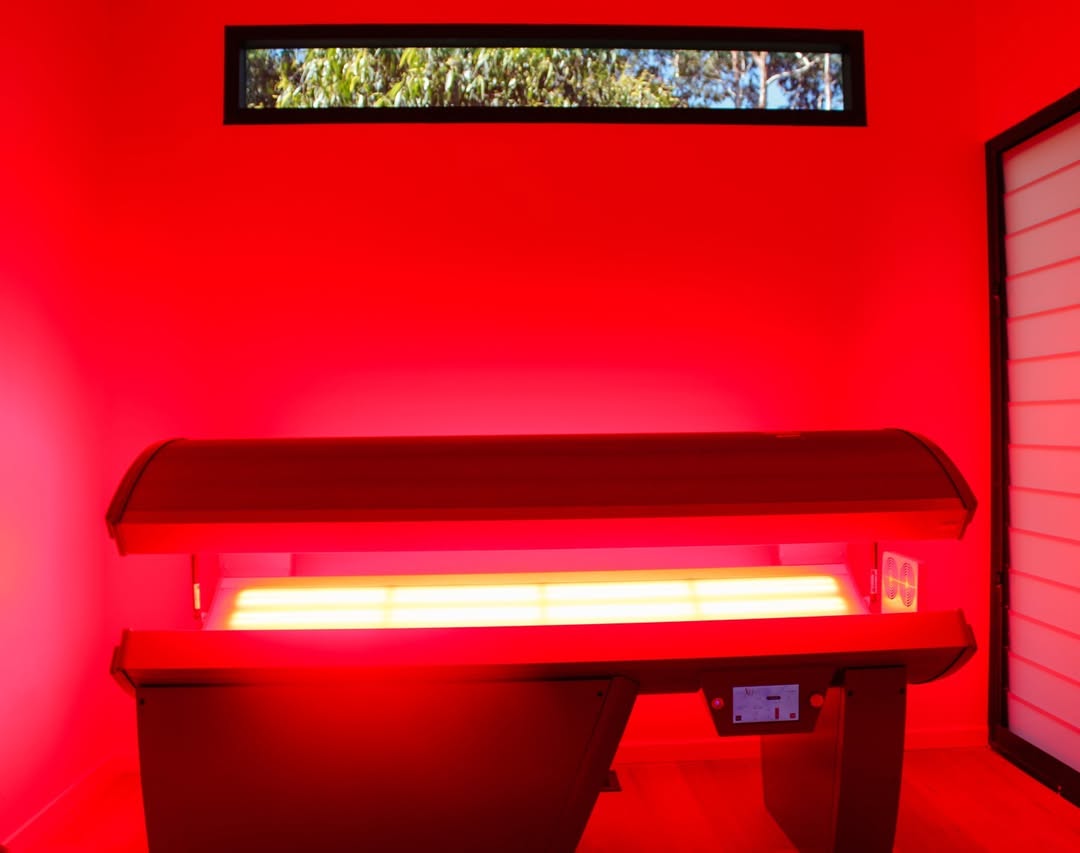
Red light therapy is a noninvasive treatment that uses specific wavelengths of red and near infrared light to support healing, reduce inflammation, and improve overall skin and tissue health. This therapy has gained popularity in wellness clinics, dermatology practices, and even home care devices because it offers a gentle approach without the discomfort or downtime associated with many traditional treatments. Understanding the science behind red light therapy helps explain why it is being used for concerns ranging from skin rejuvenation to muscle recovery and pain relief. Explore What Is The Science Behind Red Light Therapy and uncover how targeted light energy stimulates cellular repair, boosts collagen production, and enhances natural healing processes.
Understanding Light Wavelengths and Cellular Interaction
Light exists on a spectrum of wavelengths, and each wavelength interacts with the human body in a different way. Red light therapy typically uses wavelengths between approximately 630 and 880 nanometers, which are capable of penetrating the skin at varying depths. Unlike ultraviolet light, which can damage skin cells, red and near infrared light are considered safe because they do not carry enough energy to harm DNA or burn tissue when used correctly.
When these wavelengths reach the cells, they are absorbed by structures called mitochondria. Mitochondria are responsible for producing energy in the form of adenosine triphosphate, often referred to as ATP. Increased ATP production provides cells with more energy to repair damage, regenerate tissue, and perform normal biological functions more efficiently. This cellular energy boost is one of the primary scientific explanations behind the therapeutic effects of red light exposure.
The Role of Mitochondria in Healing and Repair
Mitochondria are sometimes described as the powerhouses of the cell because they generate the energy required for survival and repair. When red light photons are absorbed by a molecule within the mitochondria known as cytochrome c oxidase, a chain reaction occurs that enhances the production of ATP. Higher ATP levels allow cells to function more effectively, which supports tissue repair, collagen synthesis, and reduced cellular stress.
Improved mitochondrial activity also helps regulate oxidative stress. Oxidative stress occurs when harmful free radicals accumulate faster than the body can neutralize them. By supporting balanced cellular function, red light therapy may help reduce inflammation and protect tissues from long term damage. This scientific mechanism explains why the therapy is frequently studied for wound healing, joint discomfort, and skin conditions.
Effects on Skin Health and Collagen Production
One of the most widely recognized uses of red light therapy is skin rejuvenation. Collagen is a structural protein that keeps skin firm, smooth, and youthful in appearance. As people age, collagen production naturally declines, leading to wrinkles, fine lines, and loss of elasticity. Research suggests that red light exposure can stimulate fibroblast cells, which are responsible for producing collagen and elastin.
With consistent treatment, increased collagen activity may improve skin texture, reduce visible wrinkles, and promote a more even tone. Enhanced blood circulation in treated areas can also deliver more oxygen and nutrients to the skin, further supporting a healthy appearance. Because the therapy is gentle and does not damage the outer skin layer, it is often chosen by individuals seeking gradual and natural looking improvements.
Anti Inflammatory and Pain Relief Mechanisms
Inflammation is a natural immune response, but chronic inflammation can contribute to pain, stiffness, and delayed healing. Red light therapy has been studied for its ability to reduce inflammatory markers within tissues. By improving circulation and supporting cellular repair, the therapy may help calm irritated muscles and joints.
Pain relief is also connected to the way light influences nerve signaling and tissue recovery. Some studies indicate that red and near infrared wavelengths may help reduce sensitivity in pain receptors while encouraging faster healing of injured tissue. This combination can lead to noticeable comfort for individuals dealing with muscle soreness, arthritis related discomfort, or sports related strain.
Applications in Muscle Recovery and Athletic Performance
Athletes and fitness enthusiasts increasingly use red light therapy to support muscle recovery and endurance. Intense physical activity creates microscopic damage in muscle fibers, which must be repaired for strength to improve. Enhanced ATP production and improved circulation may accelerate this repair process, allowing muscles to recover more quickly between workouts.
Faster recovery can reduce fatigue and lower the risk of overuse injuries. Some research also suggests that pre exercise exposure to red light may help muscles perform more efficiently by optimizing cellular energy levels. While results vary between individuals, the growing use of this therapy in sports settings reflects confidence in its biological effects.
Safety Profile and Noninvasive Nature
One reason red light therapy has become widely accepted is its strong safety profile when used according to recommended guidelines. Because it does not rely on heat damage or chemical reactions, the risk of side effects is relatively low. Most users experience only mild warmth or temporary redness, if any reaction occurs at all.
The noninvasive nature of the treatment also means there is typically no downtime. Individuals can return to daily activities immediately after a session, making it convenient for regular use. This ease of application has contributed to the development of portable home devices, expanding access beyond professional clinics.
Consistency and Treatment Expectations
Scientific evidence suggests that the benefits of red light therapy are cumulative rather than immediate. Cells require repeated exposure to maintain increased energy production and repair activity. For this reason, treatment plans often involve multiple sessions per week over several weeks or months.
Results vary depending on the condition being treated, the wavelength used, and the overall health of the individual. Skin improvements may appear gradually, while pain relief or muscle recovery effects can sometimes be noticed sooner. Setting realistic expectations is important for anyone considering this therapy as part of a wellness routine.
Ongoing Research and Future Potential
Red light therapy continues to be studied for a wide range of medical and wellness applications. Researchers are exploring its potential role in neurological health, hair growth, metabolic support, and recovery from certain injuries. While many findings are promising, scientists emphasize the importance of controlled clinical trials to confirm long term effectiveness and optimal treatment protocols.
Advances in light delivery technology may also improve precision and efficiency in the future. As understanding of cellular photobiology expands, red light therapy could become an even more integrated part of preventive care and rehabilitation strategies.
Conclusion
The science behind red light therapy centers on the interaction between specific light wavelengths and cellular energy production. By stimulating mitochondrial activity, increasing ATP levels, and supporting circulation, the therapy promotes natural healing, reduced inflammation, and improved tissue function. These biological effects explain its growing use in skin care, pain management, and athletic recovery.
Although research is still evolving, current evidence suggests that consistent and properly guided use can provide meaningful wellness benefits with minimal risk. For individuals seeking a gentle and science supported approach to healing and rejuvenation, red light therapy represents a compelling option grounded in cellular biology and modern medical research.
About The Author