
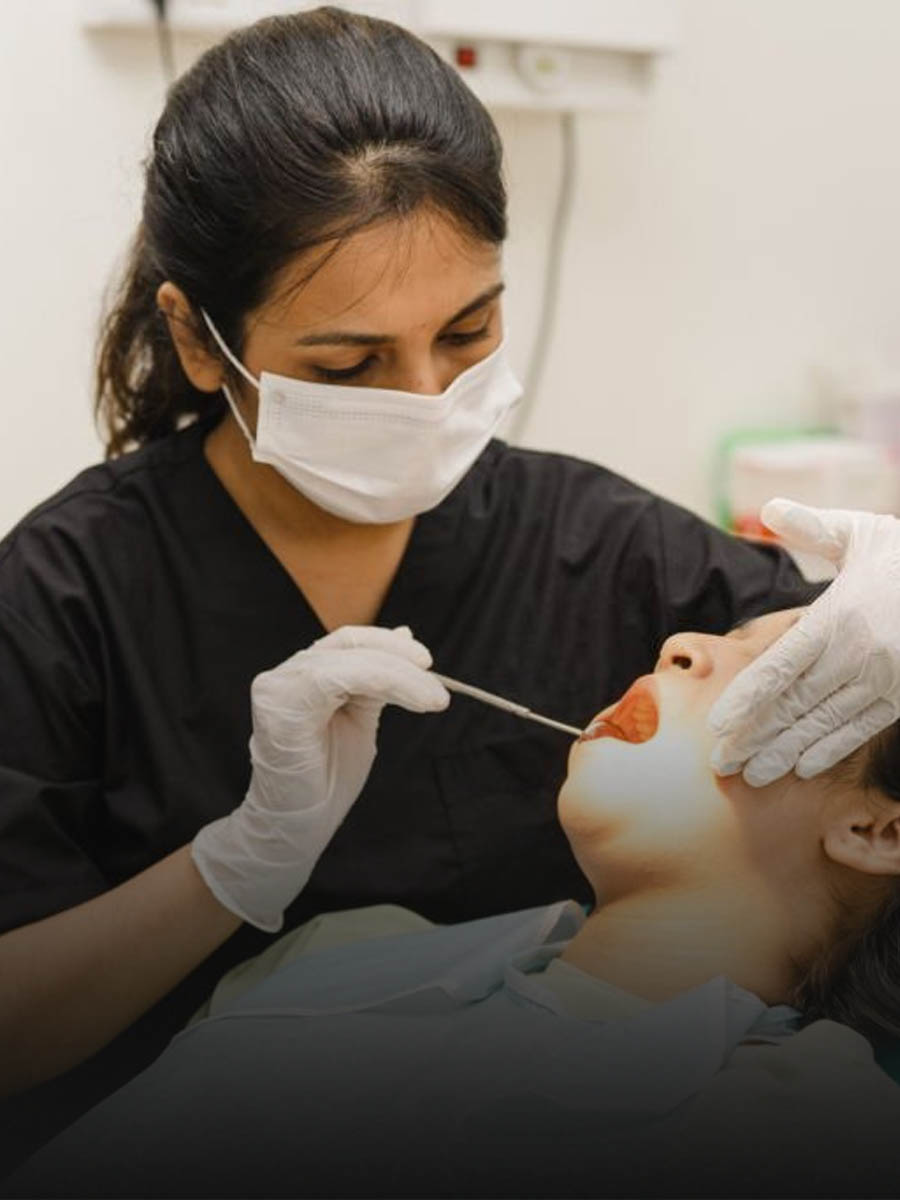
Dental appointments in 2026 carry a distinctly different atmosphere compared to those of just a few years ago, and the change is neither superficial nor accidental. The modern dental visit feels calmer, more deliberate, and remarkably attuned to the individual sitting in the chair. Patients no longer walk into clinics bracing themselves for uncertainty or discomfort; instead, there is an expectation of clarity and composure. This evolution stems from a convergence of cultural awareness, refined clinical protocols, and an overarching emphasis on the patient’s emotional state as much as their oral health. Dentistry has quietly shed its transactional reputation and adopted a more experiential identity, where every interaction is intentionally structured to reduce anxiety and promote understanding. The environment itself feels different, from acoustics that soften mechanical sounds to thoughtfully designed spaces that convey professionalism without sterility. These changes collectively signal a profession that has matured beyond technical excellence alone and now prioritizes how care is perceived, remembered, and trusted by those receiving it.
Technology as an Invisible Companion in Modern Dental Visits
Technology in 2026 dental appointments operates less like a spectacle and more like an unobtrusive assistant, seamlessly embedded into the flow of care. Advanced diagnostic tools quietly gather precise data in moments, eliminating the prolonged guesswork that once defined many examinations. Digital imaging, predictive analytics, and real-time monitoring systems now function with such efficiency that patients often experience faster appointments without feeling rushed. What makes this technological integration notable is its subtlety; the emphasis is no longer on showcasing innovation but on using it to create smoother, more intelligible experiences. Treatment plans are explained visually with refined clarity, allowing patients to grasp complex procedures without feeling overwhelmed by jargon. This transparency fosters confidence, as individuals can see the rationale behind recommendations rather than simply accepting them. The result is a dental visit where technology enhances comprehension and comfort simultaneously, receding into the background while elevating the overall quality of care in ways that feel intuitive rather than intrusive.
Patient-Centered Care Redefined by Comfort and Personalization
Comfort in dental care has been redefined in 2026, extending far beyond physical ease to encompass psychological reassurance and personalized engagement. Appointments now reflect an acute awareness that each patient arrives with unique concerns, thresholds, and expectations. Rather than following rigid, standardized routines, dental teams adapt their approach to align with individual preferences, whether that involves pacing, communication style, or sensory considerations. This personalization is not performative; it is grounded in carefully maintained patient profiles that inform every interaction. The language used during consultations is measured and respectful, avoiding alarmist tones while remaining clinically precise. Even routine procedures feel more humane, as practitioners take the time to explain sensations before they occur, reducing apprehension through anticipation rather than surprise. This recalibration of care transforms the appointment into a collaborative experience, where patients feel acknowledged as participants rather than passive recipients, reinforcing a sense of dignity that was often absent in earlier models of dental care.
The Changing Role of Dentists and Dental Teams
The role of dentists and their teams has expanded significantly, reflecting a broader professional identity that blends clinical expertise with communication and empathy. In 2026, dental professionals are not solely operators of instruments; they are interpreters of information and stewards of patient confidence. This shift is evident in how consultations unfold, with greater emphasis placed on dialogue rather than directive instruction. Dental teams operate with a cohesive rhythm, each member contributing to a unified experience that feels organized and attentive. Ongoing education has reshaped how professionals engage with patients, prioritizing emotional intelligence alongside technical mastery. This evolution has also altered power dynamics within the appointment, replacing hierarchical interactions with mutual respect. Patients sense this change immediately, as questions are welcomed and concerns addressed without condescension. The modern dental professional embodies a balance of authority and approachability, fostering relationships built on credibility rather than intimidation, which fundamentally alters how dental care is perceived and received.
Time, Transparency, and Trust in Contemporary Dental Appointments
Time in dental appointments now feels intentionally allocated rather than begrudgingly managed, a distinction that significantly influences patient perception. In 2026, efficiency does not equate to haste; instead, it reflects thoughtful scheduling that allows for unhurried explanations and meaningful interaction. Transparency has become a defining characteristic of the dental experience, particularly in discussions around procedures, outcomes, and financial considerations. Patients are no longer left deciphering vague estimates or ambiguous recommendations. Instead, information is presented clearly and proactively, reinforcing a sense of honesty that strengthens trust. This openness extends to acknowledging limitations and alternatives, empowering patients to make informed decisions without pressure. Trust, once fragile in many healthcare interactions, has become a foundational element of modern dentistry. When patients feel respected and well-informed, apprehension diminishes naturally. The appointment concludes not with lingering doubts but with a sense of resolution, a marked departure from the uncertainty that often accompanied dental visits in the past.
A New Normal That Feels Surprisingly Human
The defining characteristic of dental appointments in 2026 is not any single innovation, but the collective impact of countless refinements that prioritize the human experience. Dentistry has embraced progress without sacrificing warmth, resulting in visits that feel both advanced and reassuringly personal. Patients leave appointments with a clearer understanding of their oral health and a quieter mind, a combination that was once rare. This new normal reflects a profession that has listened, adapted, and evolved in response to changing expectations. The dental chair is no longer a symbol of unease but a place where care is delivered with intention and respect. These differences may appear subtle at first glance, yet they fundamentally reshape how dental care is experienced and remembered. What distinguishes 2026 from the past is not just what has changed, but how those changes make patients feel—calmer, informed, and genuinely cared for in a setting that finally aligns expertise with empathy.
About The Author