
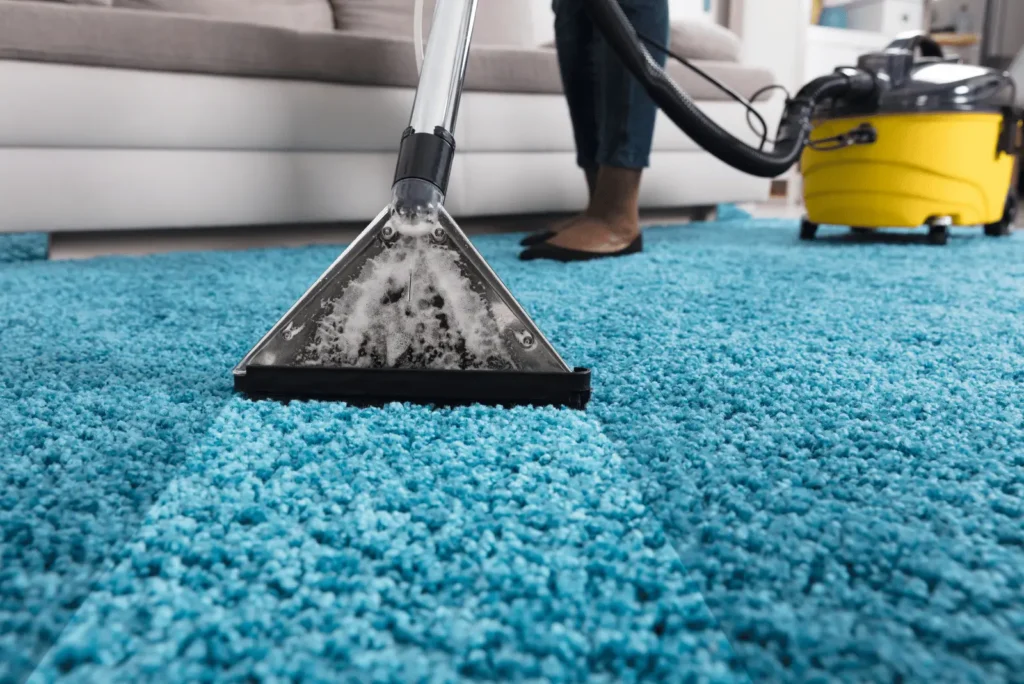
The Architectural Evolution of Modern Homes and Its Impact on Flooring Choices
Modern residential architecture has undergone a profound metamorphosis, favoring open spatial concepts, expansive glazing, and curated interior minimalism that places every surface under heightened visual scrutiny. Carpets are no longer relegated to hidden corners or purely functional zones. They occupy central living areas, transition seamlessly between rooms, and often serve as visual anchors within thoughtfully composed interiors. This architectural openness increases exposure to natural light, airborne particulates, and outdoor contaminants that enter through wider access points and continuous movement paths. As a result, carpet fibers accumulate fine debris more rapidly and display signs of wear with greater immediacy. Thoughtful carpet cleaning has therefore become an intrinsic component of architectural preservation rather than a peripheral housekeeping task. Homeowners increasingly recognize that improper cleaning techniques can disrupt the visual harmony of these spaces, dull refined textures, and compromise the intentional aesthetic balance that modern home design strives to achieve.
Health Conscious Living and the Invisible Role of Carpets
Contemporary homeowners exhibit a heightened awareness of indoor health dynamics, particularly as homes now function as multi purpose environments encompassing work, relaxation, and social engagement. Carpets act as reservoirs for microscopic pollutants, allergens, and particulate matter that remain invisible yet influential in daily well being. In modern airtight homes designed for energy efficiency, reduced ventilation can intensify the accumulation of these contaminants within carpet fibers. Thoughtful carpet cleaning transcends surface level appearance and enters the realm of environmental hygiene. Advanced cleaning approaches focus on extraction rather than concealment, addressing deeply embedded residues that standard vacuuming cannot reach. This shift reflects a broader cultural movement toward proactive wellness stewardship within the home. Carpets are no longer passive decor elements but active contributors to indoor air quality, making their maintenance a matter of health preservation as much as aesthetic upkeep.
Material Innovation and the Complexity of Contemporary Carpets
The evolution of carpet manufacturing has introduced an array of sophisticated fibers, intricate weaves, and blended materials engineered for durability, tactile appeal, and acoustic moderation. These innovations demand a commensurate evolution in cleaning methodologies. Natural wool blends, solution dyed synthetics, and low pile architectural carpets each respond differently to moisture, temperature, and cleaning agents. A generic approach risks fiber distortion, color migration, or premature degradation. Thoughtful carpet cleaning recognizes material specificity and adapts techniques accordingly, balancing effective soil removal with structural preservation. Modern homeowners increasingly invest in premium flooring selections that require informed care protocols rather than routine treatments. This complexity elevates carpet maintenance from a mundane chore to a specialized practice rooted in material science. The demand arises not from extravagance but from the practical necessity of safeguarding substantial interior investments.
Lifestyle Density, Urban Living, and Accelerated Wear Patterns
Urbanization and evolving lifestyle patterns have significantly altered how residential spaces are used and stressed. Modern homes experience higher foot traffic due to compact layouts, frequent hosting, and the convergence of personal and professional activities under one roof. Carpets endure continuous compression, friction, and particulate infiltration that accelerate wear patterns and discoloration. Additionally, proximity to urban pollutants introduces fine grit that embeds deeply within fibers, acting as an abrasive agent over time. Thoughtful carpet cleaning addresses these intensified conditions through scheduled maintenance cycles and targeted interventions rather than sporadic cosmetic treatments. Homeowners are increasingly aware that delayed or improper care leads to irreversible damage, necessitating premature replacement. In this context, deliberate cleaning strategies function as longevity mechanisms, extending the functional lifespan of carpets while preserving their visual integrity amid demanding daily use.
Sustainability Expectations and Responsible Carpet Care
Sustainability has emerged as a defining value in modern home ownership, influencing material selection, energy consumption, and maintenance practices. Carpets represent a significant material footprint, and their preservation aligns with broader environmental responsibility goals. Thoughtful carpet cleaning emphasizes resource conscious methodologies that minimize water usage, reduce chemical dependency, and prevent unnecessary disposal. Eco considerate cleaning approaches protect not only the carpet fibers but also the surrounding indoor ecosystem, avoiding residual substances that may compromise air quality or surface safety. Homeowners increasingly favor maintenance strategies that support circular consumption principles by extending product life cycles. In this paradigm, carpet cleaning becomes an act of stewardship rather than routine sanitation. The emphasis shifts from reactive replacement to proactive care, reinforcing sustainability as an operational practice within the modern household.
Professional Expertise as a Strategic Home Maintenance Decision
The complexity of modern interiors has elevated expectations around professional maintenance services, particularly in the domain of carpet care. Thoughtful carpet cleaning is no longer synonymous with basic equipment or standardized procedures. It requires diagnostic assessment, fiber identification, and calibrated techniques that align with the unique conditions of each home. Professional expertise introduces precision, consistency, and accountability into a process that significantly influences interior longevity and comfort. Modern homeowners increasingly view such services as strategic investments rather than discretionary expenses. This perspective reflects an understanding that informed care preserves not only physical assets but also the experiential quality of living spaces. As homes become more refined and multifunctional, the demand for intelligent carpet maintenance continues to rise, reinforcing its role as a foundational element of contemporary residential care.
About The Author